How Memory Care Near Me Can Reduce Caretaker Stress
Business Name: Beehive Homes of Sandy
Address: 9532 S 700 E, Sandy, UT 84070
Phone: (801) 975-5244
Beehive Homes of Sandy
BeeHive Homes of Sandy provides personalized assisted living and memory care in a comfortable residential setting. Our compassionate caregivers deliver attentive daily support focused on dignity, independence, comfort, and quality of life.
9532 S 700 E, Sandy, UT 84070
Business Hours
When families begin searching for memory care near me, they are generally not looking for a high-end or a long-term plan they once expected to need. They are trying to find breathing room. They are looking for a place where a parent, spouse, or brother or sister with dementia can be risk-free, seen, and supported without the household carrying every item of the concern alone.
That worry builds up quicker than most people anticipate. In the beginning, caregiving might really feel manageable. You assist with tips, drive to visits, check in regularly, and keep an eye on small modifications. After that the adjustments end up being less small. Dishes obtain missed. Medicines are missed. Rest gets disturbed. A loved one wanders, repeats questions, loses products, or expands distressed in manner ins which can really feel heartbreaking and exhausting at the same time. Caregiver stress and anxiety usually sneaks in through regular days, not significant ones. It integrates in the supermarket, throughout the 3rd call prior to lunch, while trying to function, or at 2 a.m. After hearing footprints in the hallway.
That is where memory care can make an actual distinction. Excellent memory care does not just "take over." It produces structure, guidance, and specific assistance that transforms the daily rhythm for everybody included. Families still matter deeply, yet they are no longer the only line of defense.
The concealed weight caregivers carry
Caregiver tension is not simply really feeling worn out. It is the build-up of responsibility, concern, and emotional stress that originates from regularly expecting what might go wrong. If you have ever before kept your phone quantity high all evening because you was afraid a call, or if you have actually repositioned your whole timetable around one unpredictable consultation, you currently recognize exactly how draining pipes elder care can become.
With dementia and related conditions, the stress is often extra intense due to the fact that the needs are both practical and emotional. You might require to manage dishes, hygiene, transportation, financial resources, and medicine, while additionally handling a loved one who might not identify the issue, approve assistance, or keep in mind yesterday's discussion. That combination can make a committed caregiver feel isolated, short-tempered, and guilty all at once.

I have seen families get to a snapping point not because they quit caring, but because they cared so difficult for as long that their own health and wellness started to fray. Some develop persistent migraines or pain in the back. Others lose rest, become short-fused, or start preventing good friends since it is less complicated than clarifying what life appears like at home. A couple of miss check in their own wellness because every ounce of attention goes to the person they are helping.
Memory care can ease that pressure in a useful way. It memory care near me provides a setup made for cognitive decline, where qualified staff take care of the repeated, safety-focused job that uses family members caretakers down.
Why memory care really feels different from basic senior care
Not every senior living alternative is built for amnesia. General senior care can be a good fit for older grownups that need some assistance however still function reasonably independently. Memory care is much more specialized. It is created for locals with Alzheimer's disease, dementia, or comparable conditions that affect judgment, alignment, communication, and safety.
That distinction issues because individuals with memory loss frequently require more than help with tasks. They need a tranquil atmosphere, familiar regimens, redirection when complication spikes, and team who understand just how dementia changes behavior. A resident who comes to be perturbed at dusk, asks to "go home" repetitively, or withstands showering may not be challenging in the regular feeling. They might be terrified, disoriented, or incapable to comprehend what is being asked.
This is one reason households typically feel such alleviation after touring a solid memory care neighborhood. The most effective places do not deal with confusion as poor habits. They respond with patience and skill. They know exactly how to maintain individuals engaged without frustrating them, how to limit dangers without making life feel like a lockup, and how to preserve self-respect when independence is fading.
That specialized technique decreases caretaker tension due to the fact that families no more have to improvisate services to issues that require training, staffing, and constant routines.
Safety alone can change everything
For lots of family members, the greatest source of tension is not a solitary remarkable occasion. It is the constant low-level anxiety that something could occur when nobody is watching.
Wandering is just one of the most typical worries. So are cooktop accidents, missed drugs, falls, and unsafe driving. Also an individual that seems tranquility on one day may come to be confused enough on one more day to leave your house at the wrong time or neglect where they are. Households typically deal with this opportunity behind-the-scenes of every errand, shower, telephone call, and nap.
Memory care areas are built with these dangers in mind. Safe and secure designs, checked entrance factors, streamlined layout, and team supervision help in reducing the opportunities of dangerous scenarios. That safeguard does more than safeguard the resident. It relieves the caregiver's nerves. When you recognize your loved one is in a setting created for amnesia, you quit needing to scan for disaster every couple of minutes.
This does not suggest concern vanishes. No sincere caregiver would state that. It does imply the concern comes to be much more manageable. As opposed to having to anticipate every threat alone, family members share duty with people that are educated to observe subtle adjustments and respond quickly.
Routine can soothe both the resident and the family
People living with dementia commonly do much better with foreseeable regimens. A familiar rhythm helps in reducing complication, stress and anxiety, and resistance. Meals at normal times, activities that adhere to a regular pattern, and personnel who recognize personal preferences can make an unusual distinction in mood and behavior.
That predictability likewise assists caretakers. When your loved one is home, the day might focus on constant adjustments and tips. Where are the keys? Did I already eat? Why are we leaving currently? What day is it? Those inquiries can repeat lots of times. Gradually, the caretaker winds up living in a state of psychological preparedness, constantly prepared to discuss, redirect, or soothe.

In memory care, the framework is shared. The area brings the routine. Team handle suggestions, transitions, and cueing throughout the day. Households no more need to be the sole caretaker of the calendar, the medication listing, and the emotional thermostat.
I when heard a daughter define this modification perfectly. She said that before memory care, every visit with her mother felt like attempting to maintain a boat stable in rough water. After the step, she could sit down and really chat with her mom once more, even when the conversation strayed. That type of shift is not small. It transforms the structure of the relationship.
The worth of respite care while you decide
Not every household is ready to make an irreversible step today. In some cases the very first helpful action is respite care Temporary keeps can give caretakers an actual break, not simply an afternoon of duties squeezed between responsibilities. A respite keep can last a few days, a number of weeks, or an additional brief period depending on the community and the family's needs.
That momentary assistance can be a lifeline. It gives a caregiver time to recover from disease, take care of a work target date, traveling for a household event, or merely rest without paying attention for every audio in the house. It likewise offers family members a possibility to see how memory care really feels in real life. For numerous, the shift ends up being less intimidating after they see how the team communicates with citizens, just how dishes are handled, and exactly how daily regimens are organized.
Respite care can likewise reduce stress and anxiety by exposing covert stress. Some caregivers do not realize just how worn out they are until they are eliminated from the everyday work for a few days. The body captures up when the adrenaline quiets. That realization can be awkward, however it is often clearing up. It reveals the family members that even more assistance is not a failing, it is a necessity.
Better connections often adhere to far better support
One of the most neglected benefits of memory care is the means it can boost family connections. When caregiving controls every communication, love can start to feel like a task description. Conversations end up being pointers, adjustments, or negotiations. The emotional space for heat shrinks.
After a loved one moves right into memory care, visits often change. Family members may spend less time on logistics and more time on link. A partner can hold a hand without bothering with lunch prep. A grown-up child can sit in the courtyard, look at old pictures, and laugh when a memory surfaces. Even if the individual with dementia can not hold lengthy discussions, the state of mind of the visit can be gentler since the household is no more clambering to handle every need.
This matters greater than people anticipate. Caretaker tension is not only physical. It is psychological fatigue from seeing a person you enjoy decline while attempting to stay person, arranged, and upbeat. Memory care takes a few of that stress off the relationship. It gives family members back the opportunity to be family.
Knowing what to try to find near you
When people search for senior living near me or memory care options nearby, they are typically comparing a number of communities at the same time. The brochures might seem comparable, but the day-to-day feel can differ a good deal. Some areas are warm and receptive. Others are tidy yet impersonal. Some really recognize dementia care. Others supply just a variation of assisted living with memory support added on the side.
A strong visit need to leave you with more than a basic impact. Take note of just how team talk with homeowners, particularly when rerouting an overwhelmed person. Notice whether the environment feels tranquil or noisy. Ask about staffing patterns, activity shows, medicine administration, and how the neighborhood manages modifications in actions. Families need to additionally ask what takes place when a resident's demands enhance. That inquiry issues because dementia is dynamic, and a good care plan requires room to adapt.
If you visit during a nourishment or late mid-day, you will usually learn a lot. Mealtime can expose whether homeowners are supported patiently or hurried with. Late mid-day can show whether the area recognizes just how to handle sundowning, that familiar period when complication or agitation may increase. These are not unimportant information. They are the everyday facts that shape caretaker tension after placement.
Questions worth asking throughout a visit
You do not require a formal script, but a couple of straight questions can clear up a whole lot. Ask just how the team responds when a resident becomes dizzy, just how they encourage hydration and dishes, and whether households are kept educated when patterns alter. Ask what training caretakers receive for dementia-related behaviors. Likewise ask just how typically activities are tailored to individual passions, because a well-run memory care setting should do more than fill time.
Money becomes part of the anxiety too
Caregiver tension is typically worsened by economic uncertainty. Families may delay assistance since they are unsure what memory care prices, the length of time financial savings will last, or just how the relocation will certainly impact a partner at home. Those concerns are genuine. They are entitled to truthful attention.
The expense of memory care varies relying on location, level of support, and solutions included. Oftentimes, memory care costs greater than standard senior care because of staffing and guidance demands. That can really feel challenging. Still, families should consider the complete picture. Home care, unpaid caregiving hours, missed out on job, duplicated hospital visits, home adjustments, and the emotional toll all lug expense also, also if those costs are not constantly noticeable on a month-to-month invoice.
Sometimes the actual contrast is not "memory care versus absolutely nothing." It is memory care versus an unsustainable mix of jumble aid, household fatigue, and growing safety risk. That is a tough estimation, yet a truthful one.
When the action feels psychologically complicated
Even when memory care is clearly the much safer choice, the decision can still feel painfully personal. Grown-up children may wrestle with guilt. Partners may feel they are surrendering. Siblings may differ about timing, level of need, or which community is best. These responses are common, and they are worthy of respect.
An action into memory care is not the like stepping away from duty. It is a change in just how duty is shared. For lots of households, that change takes some time. There may be splits at the first tour, resistance throughout the initial conversation, and blended feelings on moving day. That does not imply the decision is incorrect. It suggests the family members comprehends the stakes.
I have actually seen youngsters apologize per various other for being "too functional," when truthfully usefulness is frequently what keeps a family functioning. I have additionally seen partners remain involved in stunning ways after positioning, bringing favored snacks, participating in activities, or checking out at the exact same time daily so the resident has an acquainted touchpoint. Memory care functions best when family members stays existing, however not only responsible.
The silent alleviation caregivers notice first
People occasionally expect a dramatic wave of alleviation after a relocation, yet it usually shows up in quieter methods. A caretaker sleeps with the evening for the first time in months. A partner consumes a complete morning meal without rushing. A grown-up kid realizes they are no longer dreading every phone call from the house. The calendar opens a little. Conversations with friends become possible again.
These changes might seem small, however they matter. Caregiver stress and anxiety shrinks via rep, and relief functions similarly. Each common day that comes to be more convenient provides the caretaker a little much more strength. Over time, that can enhance physical health, mood, and decision-making.
Good memory care does not get rid of despair. Nothing can do that. Yet it can lower the constant stress that turns pain right into exhaustion. It can create adequate stability for households to appear with even more patience and less fear.
Choosing assistance before situation hits
Many family members wait up until a loss, a straying case, or a clinical scare forces the issue. Often there is no selection. The scenario has just moved as well much. But when feasible, it is much better to check out memory care prior to the dilemma ends up being frustrating. Planning early provides families time to contrast areas, comprehend care levels, and make thoughtful decisions as opposed to emergency situation ones.
That is typically the point when memory care near me ends up being more than a search phrase. It comes to be a functional technique for securing both the individual with dementia and the people who enjoy them. The ideal community can minimize day-to-day tension, constant a tough routine, and bring back some of the power that caregiving has actually consumed.
Families who choose memory care are not quiting. They are acknowledging that love sometimes needs structure, support, and knowledgeable hands around it. That is particularly real in dementia care, where the demands are unrelenting and the tiniest conveniences matter an excellent deal.
When the appropriate fit is discovered, the distinction is visible. The person getting care feels more secure and much less perplexed. The caretaker really feels less alone. The whole household obtains a little bit more space to breathe.
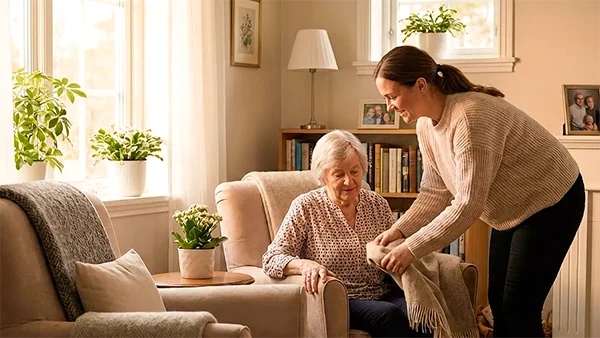
Beehive Homes of Sandy provides assisted living care
Beehive Homes of Sandy provides memory care services
Beehive Homes of Sandy provides respite care services
Beehive Homes of Sandy supports assistance with bathing and grooming
Beehive Homes of Sandy offers private bedrooms with private bathrooms
Beehive Homes of Sandy provides medication monitoring and documentation
Beehive Homes of Sandy serves dietitian-approved meals
Beehive Homes of Sandy provides housekeeping services
Beehive Homes of Sandy provides laundry services
Beehive Homes of Sandy offers community dining and social engagement activities
Beehive Homes of Sandy features life enrichment activities
Beehive Homes of Sandy supports personal care assistance during meals and daily routines
Beehive Homes of Sandy promotes frequent physical and mental exercise opportunities
Beehive Homes of Sandy provides a home-like residential environment
Beehive Homes of Sandy creates customized care plans as residents’ needs change
Beehive Homes of Sandy assesses individual resident care needs
Beehive Homes of Sandy accepts private pay and long-term care insurance
Beehive Homes of Sandy assists qualified veterans with Aid and Attendance benefits
Beehive Homes of Sandy encourages meaningful resident-to-staff relationships
Beehive Homes of Sandy delivers compassionate, attentive senior care focused on dignity and comfort
Beehive Homes of Sandy has a phone number of (801) 975-5244
Beehive Homes of Sandy has an address of 9532 S 700 E, Sandy, UT 84070
Beehive Homes of Sandy has a website https://beehivehomes.com/locations/sandy/
Beehive Homes of Sandy has Google Maps listing https://maps.app.goo.gl/gxoX9vT5PFH9mJTP9
Beehive Homes of Sandy won Top Assisted Living Homes 2025
Beehive Homes of Sandy earned Best Customer Service Award 2024
People Also Ask about Beehive Homes of Sandy
What does assisted living cost at BeeHive Homes of Sandy?
BeeHive Homes of Sandy offers all-inclusive assisted living pricing. That means one straightforward monthly rate covering personal care, home-cooked meals, housekeeping, laundry, and daily support, with no hidden costs or surprise fees. Because we offer seasonal pricing and current availability can change, we invite families to call for up-to-date rates and any current offers. Before move-in, our team completes a personalized assessment of health, mobility, medication, and activities-of-daily-living needs, so we can confirm the right care plan and share clear pricing for your family.
Can residents remain at BeeHive Homes as their care needs change?
Yes. In almost all cases, residents can remain at BeeHive Homes of Sandy as their care needs change, aging in place in a familiar, homelike environment. Because we coordinate with third-party home health and hospice providers, residents can receive added care right in the home rather than relocating. It is very rare for a resident to need to move, and that typically happens only when someone requires continuous skilled nursing or hospital-level care beyond what an assisted living or memory care home can safely provide.
Is a nurse available at BeeHive Homes of Sandy?
Yes. BeeHive Homes of Sandy has a nurse who provides day-to-day oversight of residents and works directly with each resident's own physicians and healthcare providers to continue the best possible care. Residents may keep seeing their preferred doctors, and when ordered by a medical provider, home health, therapy, or hospice services can often be delivered directly in the home. Caregiver support is available 24 hours a day.
What are the visiting hours at BeeHive Homes of Sandy?
Visit anytime. At BeeHive Homes of Sandy, we would rather family come too often than not often enough, because strong family relationships are an important part of every resident's well-being. We simply ask that visits be respectful of the other residents who live here, along with each resident's meals, rest, and care schedule. If you would like to come very early or very late, just let us know in advance and we will make it work.
Are rooms available for couples at BeeHive Homes of Sandy?
BeeHive Homes of Sandy may have room options for couples who wish to remain together while receiving senior care. Availability depends on current openings, room size, and the care needs of both individuals. Please contact our team to discuss available accommodations and find the best fit for your family.
What services are provided at BeeHive Homes of Sandy?
BeeHive Homes of Sandy provides personalized assistance with bathing, dressing, grooming, mobility, medication management, meals, housekeeping, laundry, and other activities of daily living. Residents also enjoy private rooms, home-cooked meals, engaging senior activities, and caregiver support available 24 hours a day, all in a smaller, residential-style setting that feels like home.
Does BeeHive Homes of Sandy offer memory care and respite care?
Yes. BeeHive Homes of Sandy offers both memory care and assisted living. Our memory care supports residents living with Alzheimer's disease, dementia, or other cognitive changes. Short-term respite care is also available for recovery periods, caregiver relief, or families who want to experience BeeHive Homes before considering a long-term move. Availability and suitability are determined through an individual assessment.
How can I schedule a tour of BeeHive Homes of Sandy?
Call (801) 975-5244 to schedule a tour of BeeHive Homes of Sandy anytime. A personal visit is often the best way to experience our calm, homelike atmosphere, meet our caregivers, see the private rooms and shared spaces, and ask questions about assisted living, memory care, or respite care in Sandy, Utah. We would love to help you decide whether BeeHive Homes is the right next step for someone you love.
Where is Beehive Homes of Sandy located?
Beehive Homes of Sandy is conveniently located at 9532 S 700 E, Sandy, UT 84070. You can easily find directions on Google Maps or call at (801) 975-5244 Monday through Sunday Open 24 hours
How can I contact Beehive Homes of Sandy?
You can contact Beehive Homes of Sandy by phone at: (801) 975-5244, visit their website at https://beehivehomes.com/locations/sandy/
El Puerto Veracruz Mexican Cuisine is a convenient gathering place for families visiting loved ones in Assisted living, memory care, senior care, elderly care, and respite care.